Northern Tours logoNorthern Tours
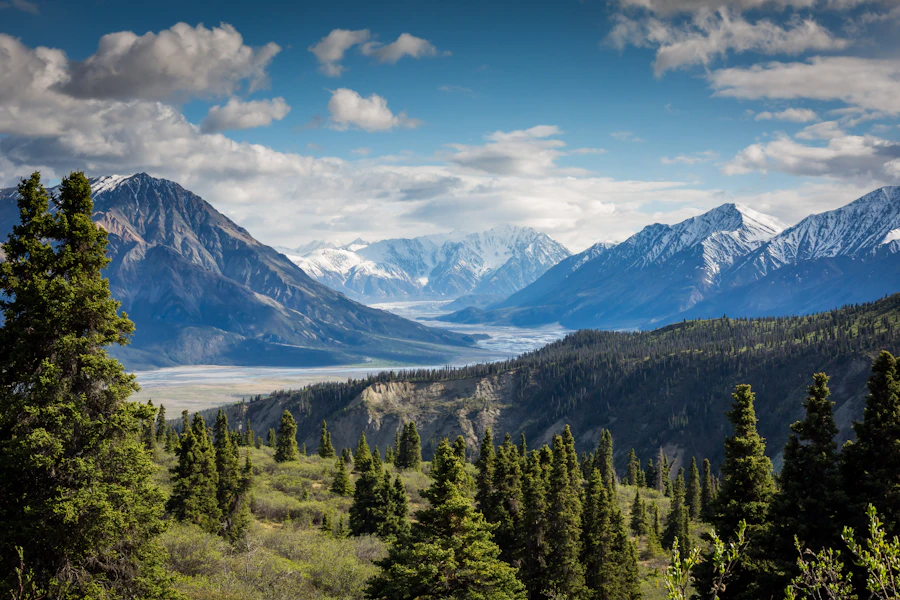
Purple lupine on an alpine ridge above Black Bear Lake

Alaska local guide

Prince of Wales Island

A large forested island with Haida and Tlingit communities, salmon streams and an extensive logging-road network.

Reference 18

Gateway towns
Prince of Wales Island
Nearest major airport
Juneau International (JNU); Ketchikan (KTN) and Sitka (SIT)
Best months
May–September
Getting there
Inter-Island Ferry from Ketchikan to Hollis or regional flights.

Overview

A large forested island with Haida and Tlingit communities, salmon streams and an extensive logging-road network.

Explore

Highlights

The island's highlights mix Native culture with karst and caves.

  • Náay I'waans, Kasaan: the only traditional Haida longhouse standing in the U.S., by guided tour.
  • Totem parks: Hydaburg (Haida) and Klawock (Tlingit) each have 21 poles.
  • El Capitan Cave: free ranger tours in summer; reserve 2 days ahead.
  • Fish passes and falls: Cable Creek, Beaver Falls and Canoe Point.

Explore

Mountains

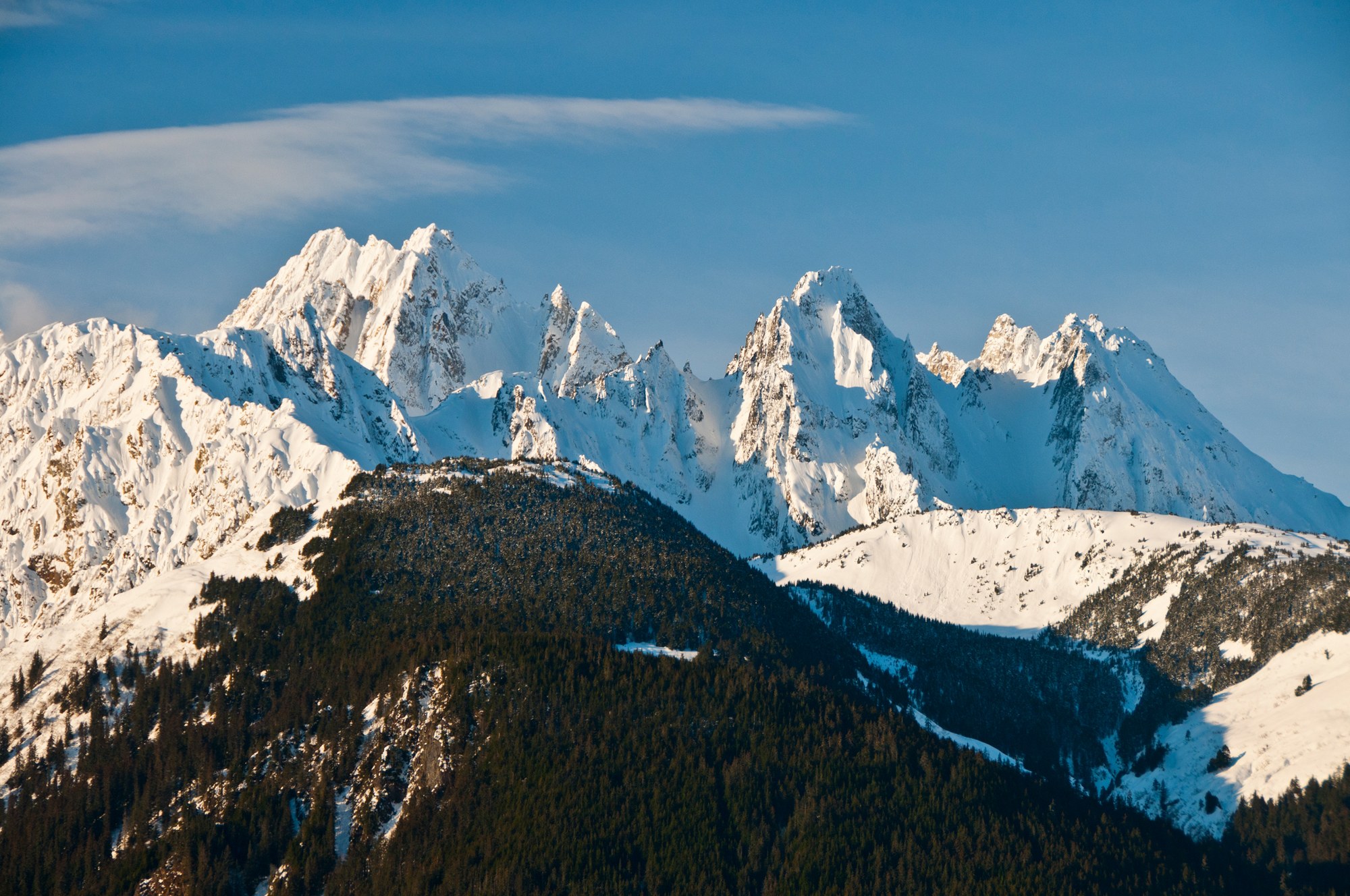
The local skyline shapes weather and access.

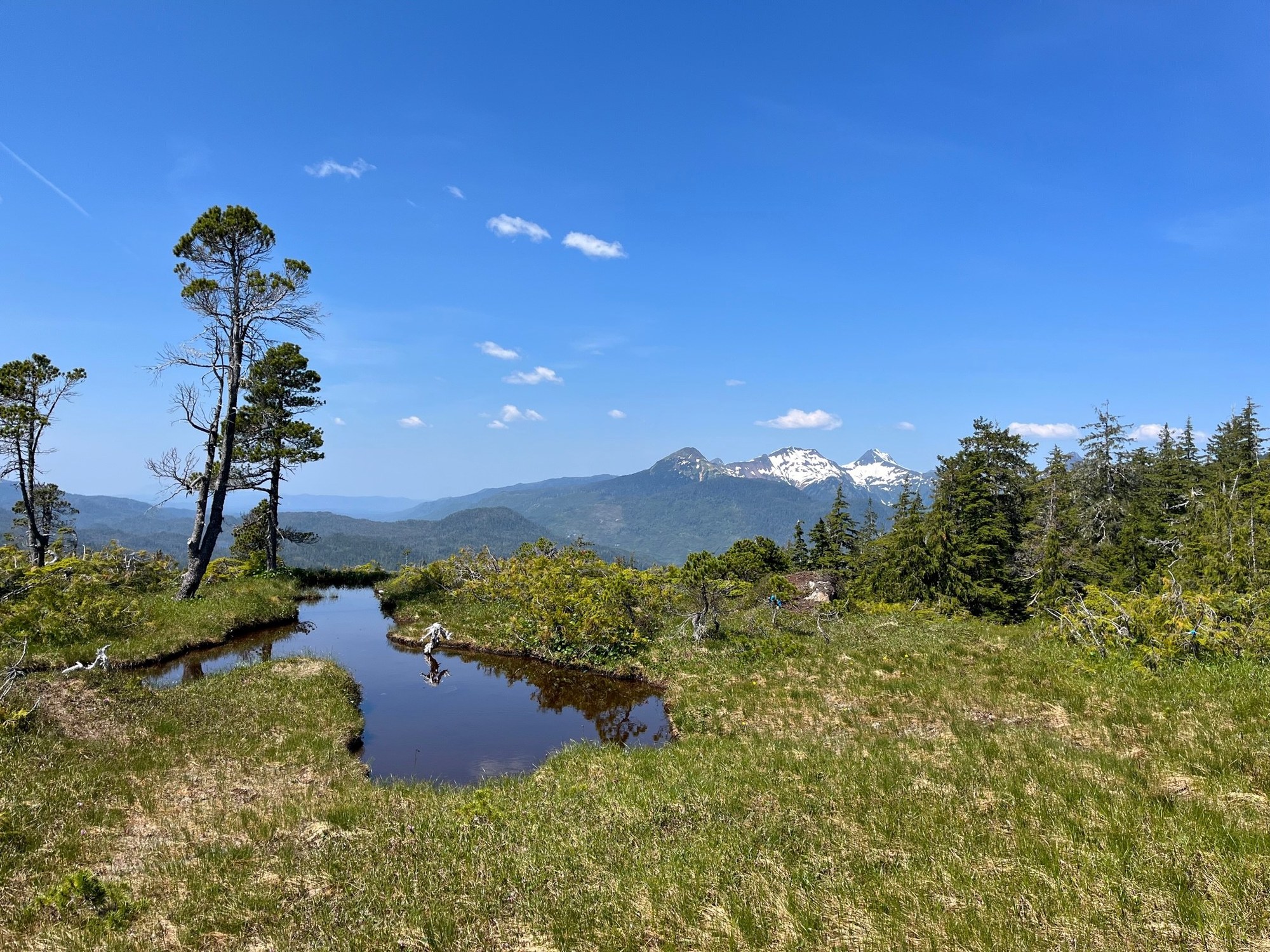
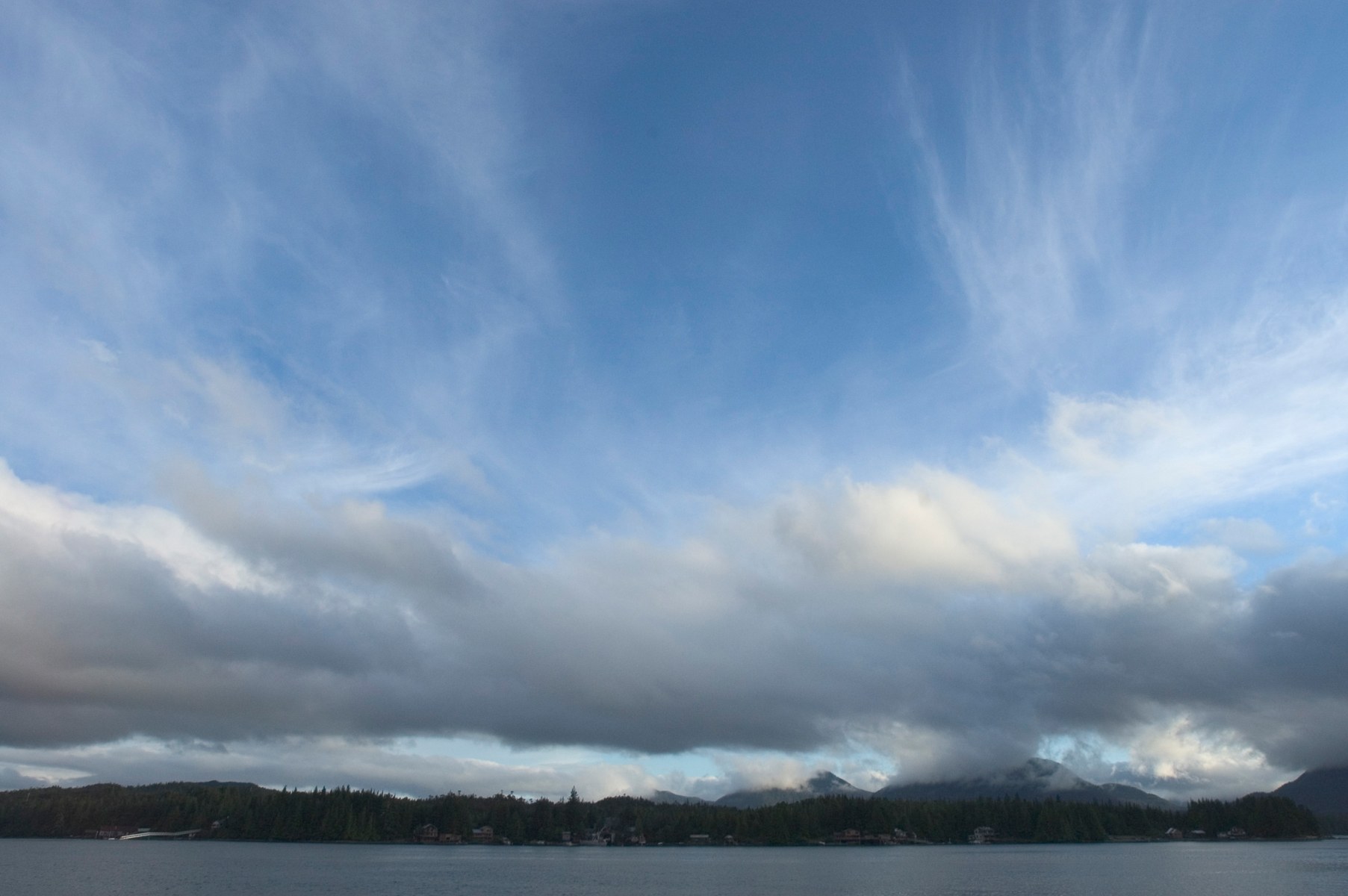
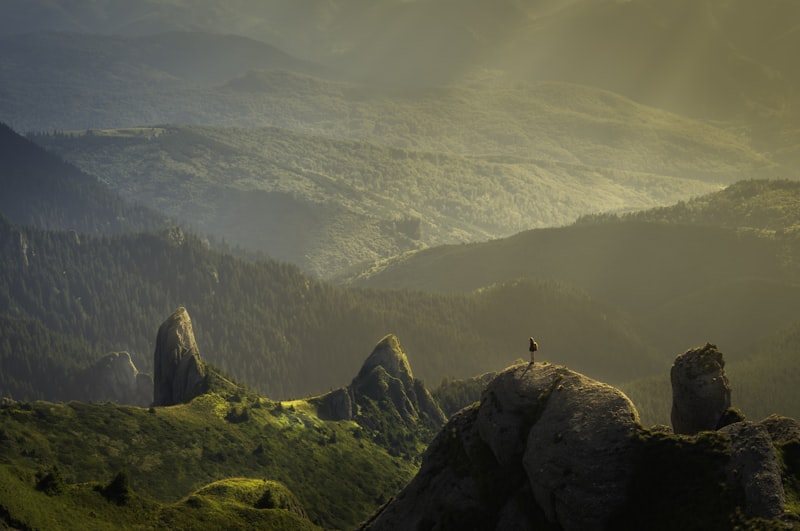
Prince of Wales island uplands

Conditions range from valley walks to technical alpine terrain. Match the route to your experience and obtain local advice.

Content coming soon

Explore

State & National Parks

Protected lands have different access, camping and activity rules.

Tongass National Forest

national forest

Land manager: USFS

Explore

Hiking

Most trails here are short walks to falls, fish passes and lakes, plus one steep alpine climb.

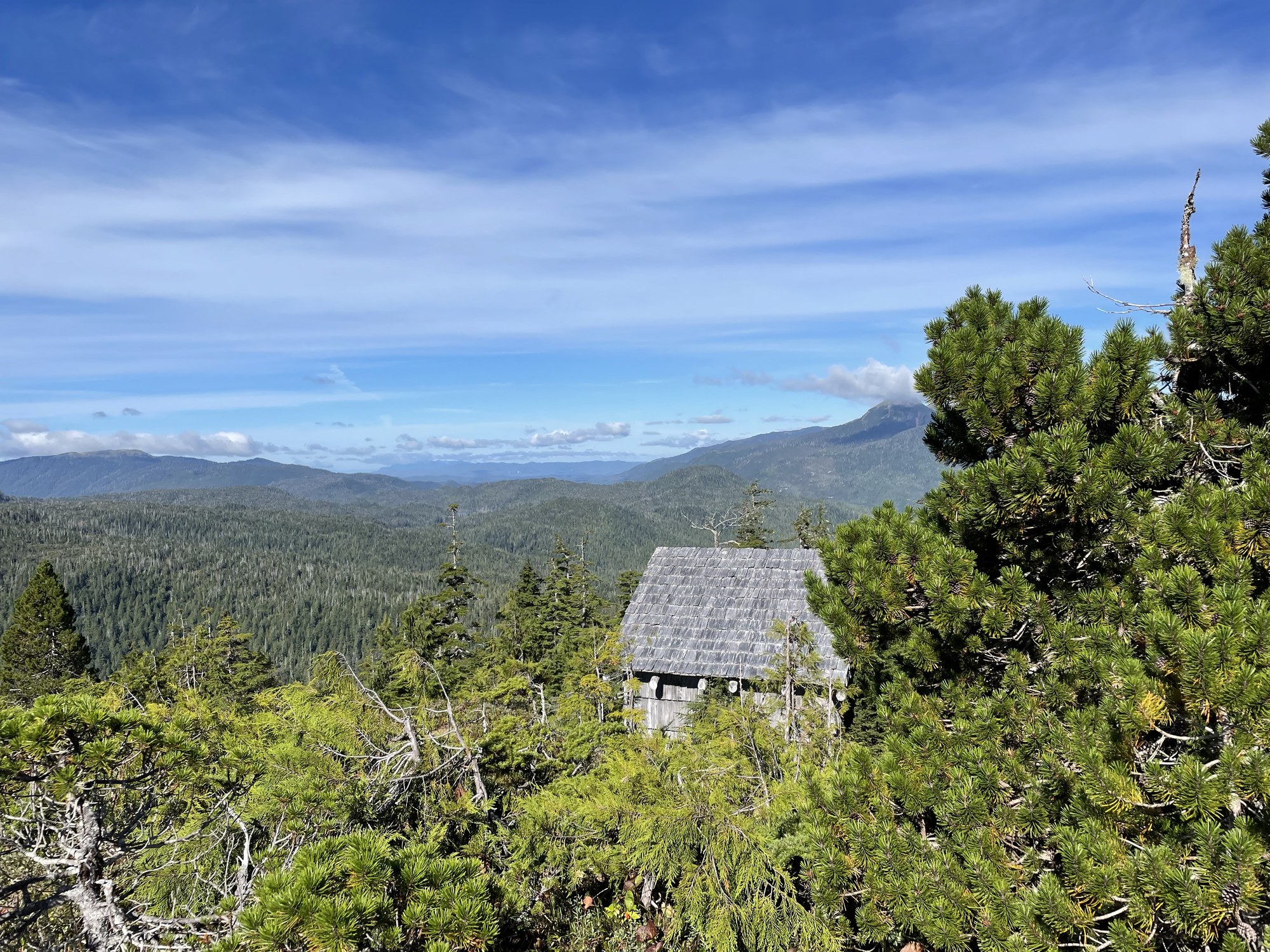
  • One Duck Trail: 1.1 mi and about 1,100 ft up to a free alpine shelter.
  • Karta River Trail: about 5 mi through wilderness, reached by boat or floatplane.
  • Beaver Falls Karst Trail: 1.5 mi round trip to a falls that drops into a cave.
  • Easy walks: Balls Lake loop, Harris River, and Canoe Point's 130-ft waterfall by boat.
  • Paddling: Honker Divide (30 mi, 3 to 4 days) and the 15-mi Sarkar lakes route.

Explore

Fishing

The island is best known for steelhead and fall coho, much of it reachable by road.

  • Steelhead: spring run peaks early April to mid-May; fall fish run late October into January. Try the Thorne River and Staney Creek.
  • Coho: late August through September, with the biggest return on the Klawock River.
  • Trout: cutthroat in Neck, Luck and Sarkar lakes.
  • Saltwater: salmon and halibut charters from Craig and Klawock.

Many streams are artificial-lure only and steelhead are catch-and-release. Each spot's page lists its 2026 rules.

A field companion

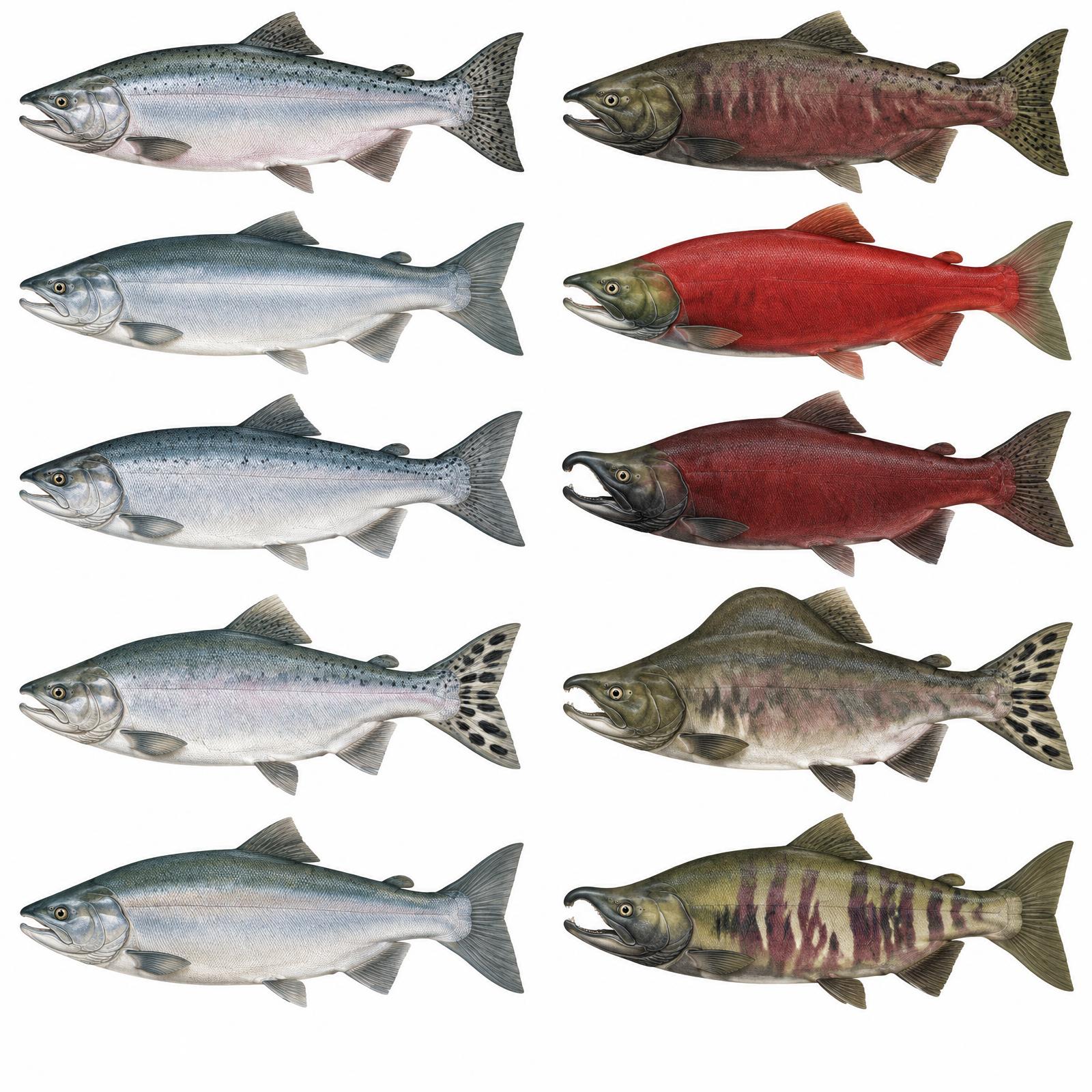
Know your salmon

Chinook salmon, ocean phase illustration

King

Chinook

Usually 10–20 lb

Spots:
Back and both tail lobes
Mouth:
Black mouth, black gums
Eye / scales:
Small eye; round pupil
Spawning:
Olive to maroon; spots remain
Sockeye salmon, ocean phase illustration

Red

Sockeye

About 4–8 lb

Spots:
No distinct spots on back or tail
Mouth:
White mouth and gums
Eye / scales:
Prominent golden eye; round pupil
Spawning:
Red body, green head
Coho salmon, ocean phase illustration

Silver

Coho

Usually 8–12 lb

Spots:
Back and upper tail lobe
Mouth:
Black mouth, white gums
Eye / scales:
Round pupil; use gums and spots for ID
Spawning:
Maroon sides, dark head; hooked male jaw
Pink salmon, ocean phase illustration

Humpy

Pink

Average 3.5–5 lb

Spots:
Large oval spots on both tail lobes
Mouth:
White mouth, dark gums/tongue
Eye / scales:
Round pupil; very small body scales
Spawning:
Male has pronounced hump; gray-olive body
Chum salmon, ocean phase illustration

Dog / Keta

Chum

About 6–12 lb

Spots:
No distinct tail spots
Mouth:
White mouth and gums
Eye / scales:
Round pupil; no reliable pupil-only ID
Spawning:
Purple calico bars, large male canine teeth

Illustrations are interpretive; identify fish by several traits together, not pupil shape alone. Adult sizes vary by stock. Official ADF&G identification chart

Current ADF&G sport-fishing regulations and emergency orders

Explore

Hunting

Prince of Wales is Game Management Unit 2, known for Sitka black-tailed deer.

  • Deer: August 1 to December 31, four bucks on harvest tickets.
  • Black bear: September 1 to June 30; unguided nonresidents need permit DL027 or DL028.
  • Wolf: five, September 1 to March 31, with reporting and sealing rules.

Check the current ADF&G booklet before you go.

Seasons, permits and land restrictions change. Check current Alaska Department of Fish and Game regulations before planning a hunt.

Explore

Wildlife

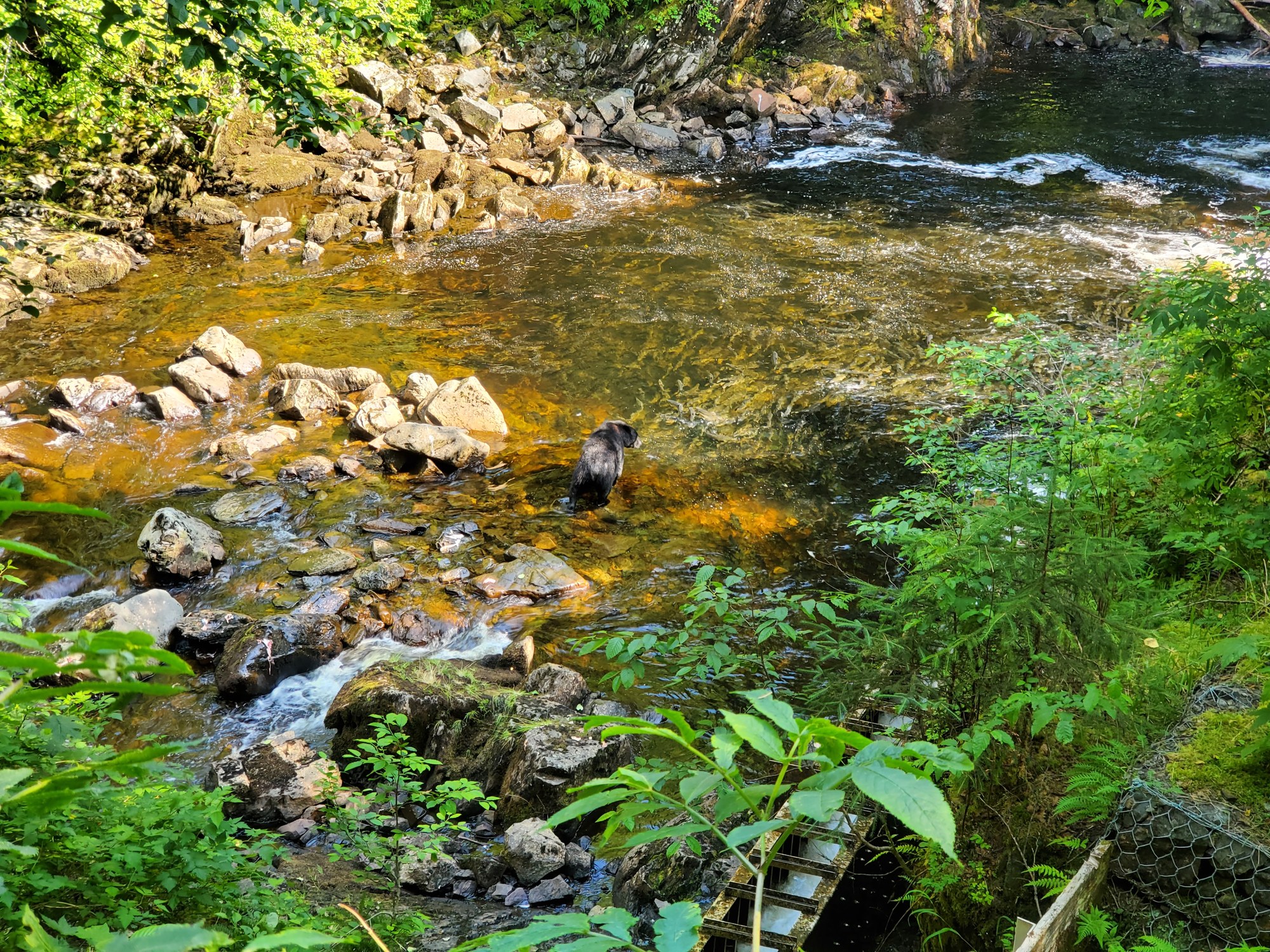
Salmon runs draw black bears, eagles and the odd wolf from late summer into fall.

  • Bears: Cable Creek, Dog Salmon and Big Lake fish passes.
  • Whales: humpbacks and orcas from Sandy Beach on Clarence Strait and from Memorial Beach.
  • Deer: common islandwide, especially in the alpine.

Bear country

Brown bear or black bear?

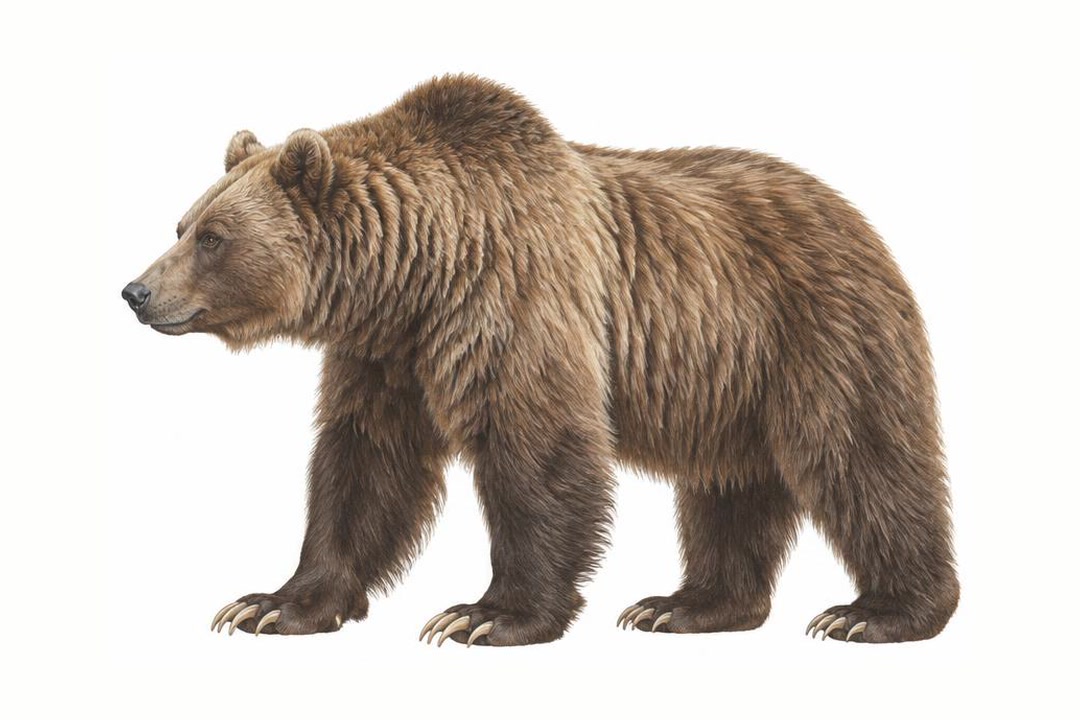
Brown / grizzly bear interpretive illustration

Brown / grizzly bear

Shoulders:
Prominent muscular shoulder hump
Face:
Dished, concave profile
Ears:
Small, rounded
Claws:
Long, relatively straight; about 2–4 inches
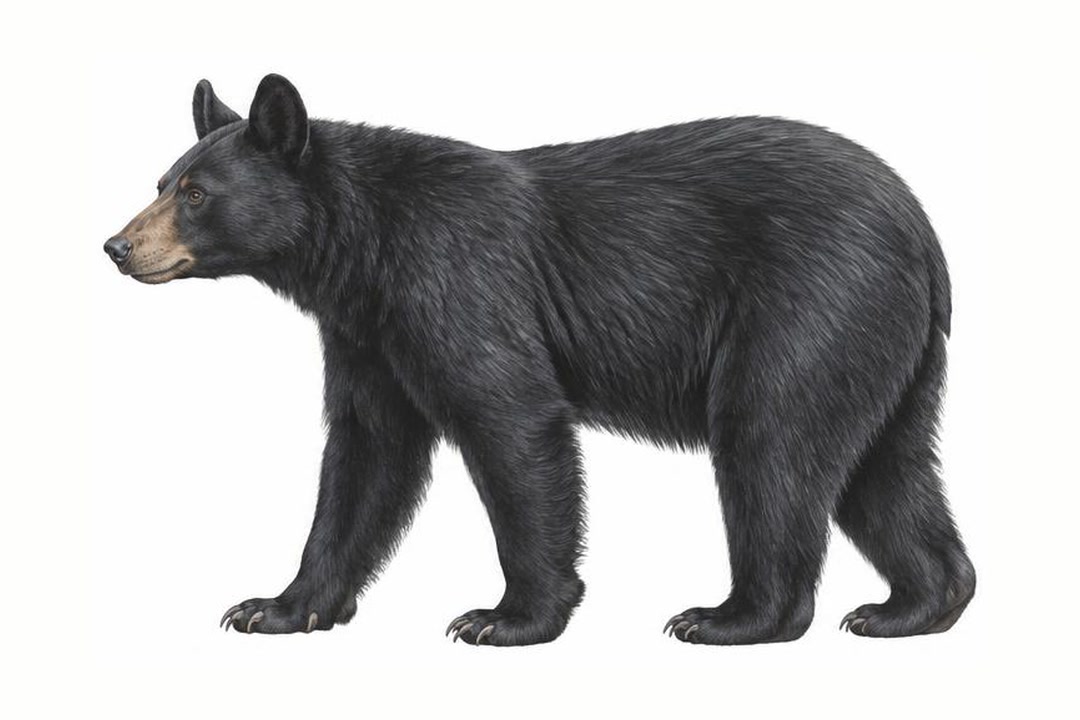
American black bear interpretive illustration

American black bear

Shoulders:
No distinct shoulder hump; rump often higher
Face:
Straight muzzle profile
Ears:
Larger, taller
Claws:
Short, curved; generally under 2 inches

Color is not a reliable ID

Both species vary in coat color. Never approach a bear to identify it. Stay alert, make noise in dense cover, give bears space, secure food and garbage, and never run. Carry accessible bear spray and know how to use it.

ADF&G bear safety guidance

Explore

Rafting & Paddling

Water trips require cold-water equipment and a realistic evacuation plan.

Protected coves and lakes; cold water and tidal currents

Protected coves and lakes; cold water and tidal currents

Difficulty: Reach- and weather-dependent; obtain local advice

Season: Generally summer; verify water levels, ice and operator schedules

Content coming soon

Explore

Camping

Camp at two road campgrounds or a free roadside spot, or book a cabin.

  • Harris River and Eagles Nest: $8 a night, outhouses, no water; reserve on Recreation.gov.
  • Free sites: Horseshoe Hole, Staney Bridge and Lake No. 3, with two sites each and no facilities.
  • Cabins: about 20 on Recreation.gov, $30 to $75 a night, from road-side Twelvemile to fly-in Josephine Lake.
  • Shelter: One Duck alpine shelter, free, first-come, first-served.

Explore

Other Activities

Local operators and cultural institutions offer different ways to explore.