
Bear viewing at salmon streams
Nearly two million acres of bear country, reachable only by air or sea.

Alaska local guide
Nearly two million acres of bear country, reachable only by air or sea.
Kodiak Island
Overview
The Kodiak National Wildlife Refuge covers about 1.9 million acres across the southwestern two-thirds of Kodiak Island plus parts of Uganik, Afognak and Ban islands. There are no roads into it.
It was created in 1941 to protect Kodiak brown bears and their habitat. Visitors fly in by floatplane to bear-viewing sites, public-use cabins and remote lodges on rivers like the Karluk and Ayakulik.
Explore
Nearly two million acres of bear country, reachable only by air or sea.
Nearly two million acres of bear country, reachable only by air or sea.
Nearly two million acres of bear country, reachable only by air or sea.
Nearly two million acres of bear country, reachable only by air or sea.
Nearly two million acres of bear country, reachable only by air or sea.
Explore
The local skyline shapes weather and access.
Conditions range from valley walks to technical alpine terrain. Match the route to your experience and obtain local advice.
Content coming soon
Explore
Protected lands have different access, camping and activity rules.
Check the land manager's current visitor information before arranging travel.
Type: refuge
Land manager: US Fish and Wildlife Service
Permits: Confirm reservations, commercial operator permissions and backcountry requirements with the land manager.
Content coming soon
Explore
Routes depend on weather, land access and seasonal conditions.
Carry navigation, rain layers and bear-safety equipment; confirm current trail or route conditions.
Floatplanes from Kodiak's Trident Basin and Lilly Lake seaplane bases.
Trail detailsContent coming soon
Explore
Species availability depends on the exact water, season and current closures.
Use current ADF&G sport-fishing regulations and emergency orders; listed species are not a guarantee of an open fishery.
Sockeye salmon · Coho salmon · Steelhead
A field companion
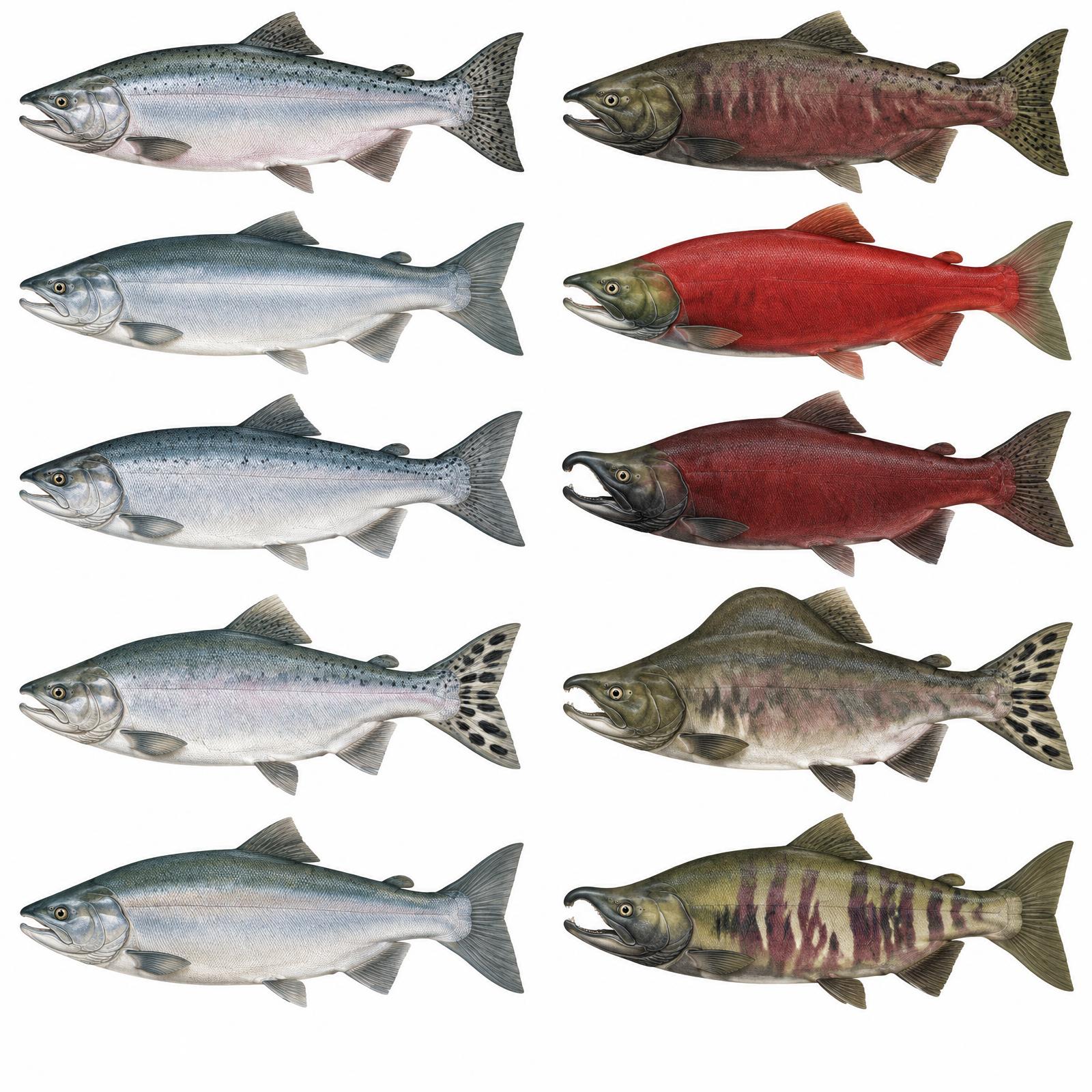
King
Usually 10–20 lb
Red
About 4–8 lb
Silver
Usually 8–12 lb
Humpy
Average 3.5–5 lb
Dog / Keta
About 6–12 lb
Illustrations are interpretive; identify fish by several traits together, not pupil shape alone. Adult sizes vary by stock. Official ADF&G identification chart
Current ADF&G sport-fishing regulations and emergency orders
Content coming soon
Explore
Hunting is location- and permit-specific; park and preserve rules differ.
Do not assume that public land allows sport hunting. Verify the precise unit, land designation and any permit before planning.
Game management unit: 8
Nonresidents: Nonresidents hunting brown/grizzly bear, Dall sheep or mountain goat need a licensed Alaska guide or an eligible Alaska-resident relative; nonresident aliens require a guide for all big game. Check current permits, seasons and emergency orders.
Seasons, permits and land restrictions change. Check current Alaska Department of Fish and Game regulations before planning a hunt.
Content coming soon
Explore
View wildlife without approaching, feeding or blocking travel routes.
Use binoculars and keep appropriate distance; bears may be encountered away from viewing sites.
Bear country
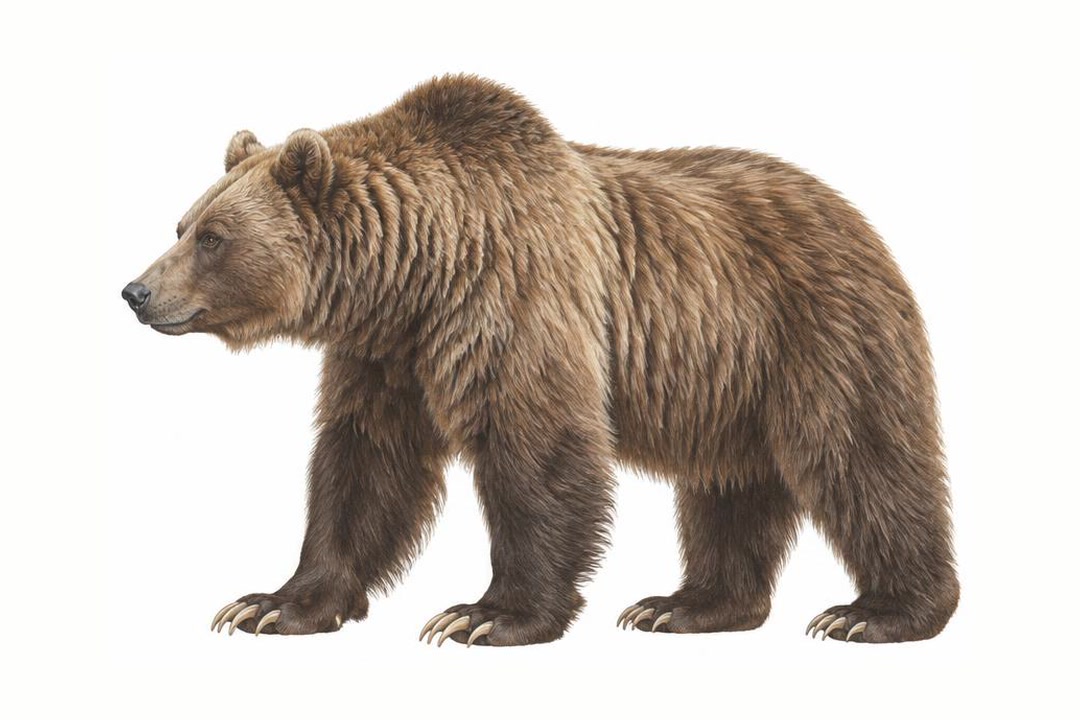
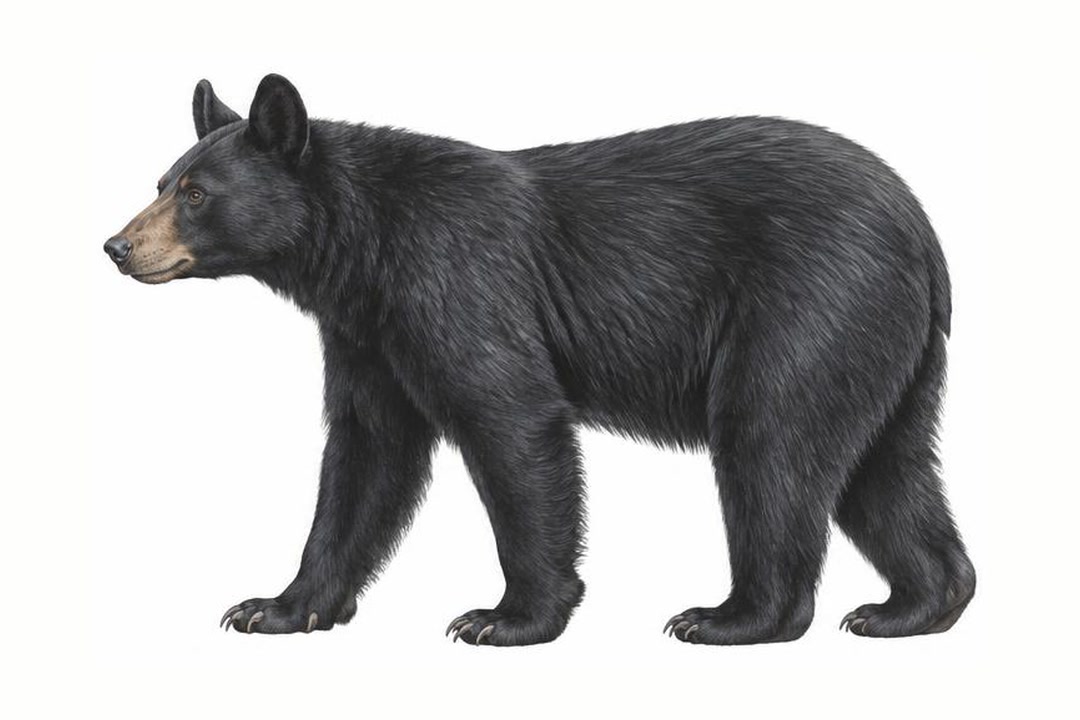
Both species vary in coat color. Never approach a bear to identify it. Stay alert, make noise in dense cover, give bears space, secure food and garbage, and never run. Carry accessible bear spray and know how to use it.
ADF&G bear safety guidanceContent coming soon
Explore
A four-wheel-drive vehicle does not create a right to drive off-road.
No road access to remote refuge areas.
Conditions: Verify seasonal openings, washouts and land permissions.
Vehicle: Check rental exclusions; do not enter uncertain water crossings.
Content coming soon
Explore
Water trips require cold-water equipment and a realistic evacuation plan.
Karluk River float trips; arrange flights and bear-safe camps
Difficulty: Reach- and weather-dependent; obtain local advice
Season: Generally summer; verify water levels, ice and operator schedules
Content coming soon
Explore
Confirm legal sites, reservations and food-storage requirements.
Facilities and seasons vary; pack out waste and store food securely away from wildlife.
Content coming soon
Explore
Local operators and cultural institutions offer different ways to explore.
Confirm availability directly, and respect community guidance and access permissions.
Content coming soon
Explore
Allow extra time for weather and seasonal transport changes.
Floatplanes from Kodiak's Trident Basin and Lilly Lake seaplane bases.
Content coming soon
Gallery